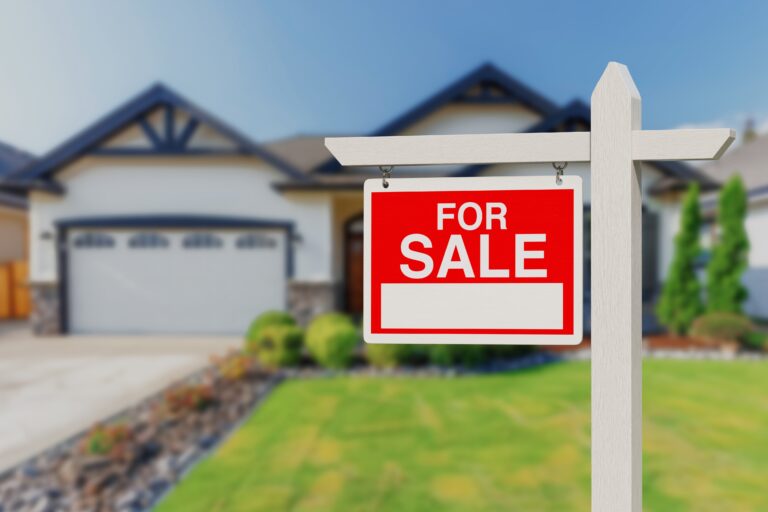

Those colorful postcards parading your home with a too-good-to-be-true cash offer might seem like a minor annoyance at first. But when more arrive, and the calls start coming, frustration can set in.
Where are they getting pictures of my home?
What else do they know about me?
How do I get them to stop??
It’s even worse if you’ve recently experienced a major life event, such as the death of a loved one or a divorce, and suddenly everyone’s contacting you with cash offers on a property you own or inherited.
These approaches feel unsettling and like a violation of your privacy, and you can’t tell who’s legitimate and who’s trying to exploit a vulnerable moment.
Let’s answer your questions on how to stop unsolicited homebuying offers, where they come from, and how to pursue the legitimate ones if you decide selling cash makes sense.
How to stop unsolicited offers to buy your house: 9 Tactics to try
Registering on “Do Not Call” registries and asking companies to remove you from their lists are the most effective tactics. Here’s more on these and other strategies.
1. Register on “Do Not Call” lists
Registered telemarketers can’t call anyone on the National Do Not Call Registry, which is managed by the Federal Trade Commission (FTC). Companies can face fines exceeding $50,000 per call. Many states also maintain their own registries.[1]
2. Opt out of data broker sites
Sites like Whitepages, Spokeo, BeenVerified, and PeopleFinder sell your personal information. You can opt out of each individually or hire a personal data deletion service like DeleteMe—though no service can remove everything.
Some states, like California, are making removal easier. Starting August 2026, Californians can make a single request to delete their data from over 500 data brokers.[2] Oregon, Texas, and Vermont are other states requiring data brokers to register with them.[3]
3. Ask companies to stop calling you
If you’ve done business with a company or gave them permission to contact you—like when filling out a home fair market value form—they can still call you, even if you’re on the Do Not Call Registry. However, they must stop when you ask. Document each request to stop contacting you.
4. Report unwanted calls
To report unwanted calls, use the FTC’s streamlined reporting form. If you’ve lost money to a scammer or have information about one, file a report on the FTC’s fraud report website.
5. Don’t interact with callers
The FTC advises against pressing any buttons or speaking with a live person during illegal robocalls—it often leads to more calls.[4]
6. File a complaint with the BBB
If the company has a Better Business Bureau (BBB) profile, file a complaint with them. Companies take these seriously because consumers check BBB ratings before doing business. A pattern of complaints damages their reputation and can mean lost business.
7. Leave negative reviews
Negative reviews deter potential customers, so companies pay attention. Leave reviews on social media or review sites, but verify that you are reviewing the correct company. Businesses often respond quickly to public complaints, apologizing and removing you from their lists.
8. Automatically screen your phone calls
Most smartphones can automatically screen calls from unknown numbers or high spam risks, notes Omer Reiner, licensed realtor and CEO of Florida Cash Home Buyers. “If your phone and service provider don’t have that feature, you can let calls that you don’t recognize go to voicemail.”
9. Avoid filling out home estimate requests online
These sites often sell your information to multiple companies, which then assume you’re interested in selling and may aggressively market to you.
Why some calls still keep coming
Unfortunately, even when applying all these tactics, there’s no guarantee the calls, messages, and mailers will stop completely. If you feel like you’re playing whack-a-mole—blocking one contact only to be reached by another—you’re not alone, especially with phone calls.
“These days they're so crafty with their auto dialers,” notes Justin Willard, principal broker of the Willard Realty Team, based in South Florida. “I don't think there's any way to get them to stop, any more than there's a way for a realtor to stop getting a hundred phone calls a week about health insurance. We all get the same sales calls.”
Where do unsolicited offers to buy your house come from?
Chances are that most of the offers you’re getting are from legitimate cash buyers, including house flippers, iBuyers, and real estate agents. Here’s a closer look.
Real estate investors (house flippers)
These investors are looking for bargains. They buy low, renovate, and profit by reselling or renting. They may be individuals or “We Buy Houses” companies, such as We Buy Ugly Houses.
Wholesalers (home contract flippers)
These investors flip contracts instead of properties. You sign a deal, but closing isn’t guaranteed unless they find a buyer. If they do, the buyer pays the wholesaler a fee, and the deal moves forward. If they don’t, the deal falls through, and you’ve lost weeks or months of time.
iBuyers (instant buyers)
Companies like Opendoor and Offerpad use data and algorithms to make all-cash offers in hot neighborhoods. The goal is to make a quick profit by reselling the home.
Realtors
Some realtors may simply be fishing for leads. Willard notes they often reach out claiming to be a top agent with a list of buyers waiting to buy your home.
Scammers and impersonators
While most unsolicited cash offers to buy a home are legitimate, some are scams. Scammers use urgency tactics to pressure you into handing over money or even your house deed.
Traditional buyers
NAR data shows 57% of cash buyers are purchasing vacation homes. Someone might have seen your house, liked it, and decided to reach out. They may or may not be working with an agent.[5]
How do buyers making unsolicited offers find me?
Public property and tax records are the primary ways buyers find you. Willard explains that buyers mine this data for metrics like occupancy length. Since the average homeowner stays in their home for about 11 years before moving, properties nearing or exceeding that mark are flagged as more likely to sell.[6]
Buyers then layer in additional data like:
- Neighborhood appreciation trends
- Home age (older homes may need work, potentially becoming profitable flips)
- Lack of permit and renovation history (indicators of profitable flips)
- Life events in public records (divorce filings, inheritance and probate records, retirement age)
- Homeowner income levels (indicators of who may want to sell as is)
The more factors that overlap, the more likely you are to get a call.
Why are they sending me offers when my house isn't for sale?
Homeowners are receiving more offers because of housing inventory shortages and high interest rates. Single-family home construction has been declining, and homeowners are holding onto existing homes longer to keep their low mortgage rates.
This strained supply drives buyers toward off-market opportunities. Half of all realtors report their clients struggle with affordability, inventory shortages, and finding the right home.[6]
High interest rates also make financing less attractive to investors, pushing them toward all-cash offers. NAR surveys show that over the last three years, a quarter of home sales were all-cash.[7]
When unsolicited homebuying offers work: An example
Alyson Austin, principal and founder of Gaffney Austin, a consulting firm for the real estate, mortgage, and fintech industries, says her parents received an unsolicited cash offer for her childhood home years ago.
“They owned a waterfront home in a desirable location, on the coast of Maine. It was a buyer who had been seeking a waterfront or water-adjacent parcel of land.”
The buyer was legitimate, and the property sold for an all-cash seven-figure sum. Her parents likely could have netted a few hundred thousand to half a million more on the open market, but they were happy with the decision. The sale was fast, convenient, and aligned with their goals.
“They decided quickly, and the deal was done. The home that exists on the plot now is lovely and tasteful.”
Are unsolicited offers to buy my house legit?
While many offers are legitimate, they’re not set in stone. Take initial figures with a grain of salt because they’re mostly educated guesses. The cash price will likely change after the buyer inspects your property.
iBuyers and “We Buy Houses” companies often make offers based on assumptions, then revise or cancel when they discover the deal isn’t workable. While frustrating, that’s simply how these unsolicited offers work.
Note that some bad actors target homeowners in difficult situations, such as those who:
- Inherited a home
- Lost a spouse who co-owned the home with them
- Fell behind on mortgage or property tax payments and face foreclosure
- Don’t have funds to maintain, renovate, or repair a home before selling
- Are going through bankruptcy or financial hardship
- Have unresolved code violations
These buyers target people whose homes may be harder to sell traditionally, or who lack the time or desire to navigate a conventional sale.
Should you consider an unsolicited offer to buy your house?
If you’re open to selling and don’t mind trading some equity for speed and convenience, a cash buyer might be a good solution to buy your house. But verify the offer is legitimate by having an experienced real estate agent or attorney review the contract.
If you bought your home decades ago, you might not realize how much it’s appreciated. Local real estate agents can run a free comparative market analysis to help you understand your home’s potential value.
Just keep in mind that cash deals typically close at 70-80% its fair market value. Willard points out that you could always list the home on the open market first and switch to a cash buyer if you’re not successful.
Pursuing an unsolicited offer to buy your house on your own
If you want to research offers on your own, vet the buyer thoroughly. Request offers from multiple cash buyers to ensure the offer is fair and maximizes your net proceeds. (Note: An offers marketplace like Clever Offers makes comparing options fast, safe, and easy.)
Here’s how to vet buyers:
- Check their online presence. Legitimate businesses will have a website, customer reviews, BBB profile, social media pages, and a business or professional license number.
- Ask directly if they’re the end buyer or a wholesaler.
- Review contract terms carefully, not just the offer price. Look at inspection periods, cancellation timeframes, earnest deposit amounts, and assignment clauses that may signal a wholesaler.
- Ask which title or real estate company will handle closing, then research them. Call to verify they’re aware of the potential transaction.
Don’t move forward if you notice the red flags below. The buyer:
- Won’t show proof of funds
- Won’t put down a 1-2% earnest deposit, or earnest money is due only after an inspection
- Has unusual contingency clauses, such as the ability to cancel the contract at any time
- Pressures you to sign now without having a contract professionally reviewed
- Asks you to send money for application fees, deposits, closing costs, or anything else
- Remains vague about their identity (“We’re a group of investors”)
You don’t have to accept the first offer. Comparing multiple offers helps you spot red flags, understand tradeoffs, and determine whether a quick sale is priced fairly.