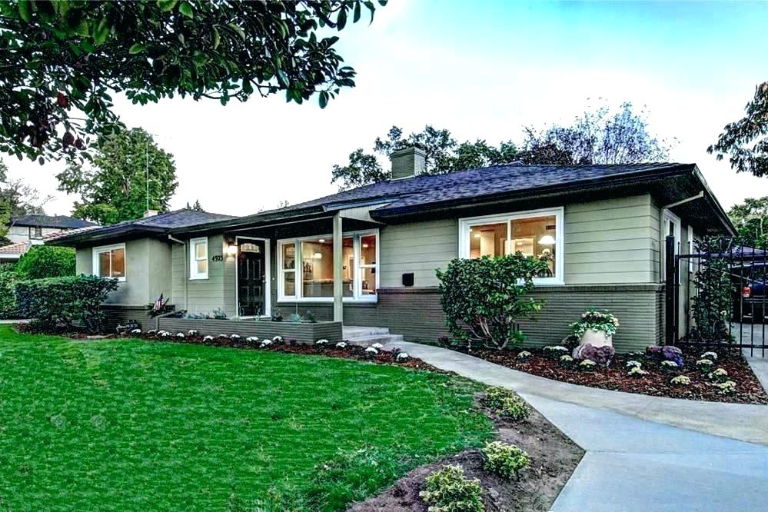

Choosing between a townhouse and a single-family house usually comes down to one tradeoff: convenience vs. autonomy. Townhouses often cost less upfront and can be lower-maintenance (especially if an HOA handles exterior upkeep), but you may give up privacy, yard space, and freedom to customize. Detached houses typically offer more space and control — but you’ll pay more and you’re responsible for everything that breaks.
In this guide, we’ll compare the real-world pros and cons (including HOA fees, special assessments, noise, maintenance, and resale considerations) so you can choose the best fit for your budget and lifestyle.
If you want a second opinion tailored to your market, a local buyer’s agent can help you weigh neighborhoods, HOA rules, and true monthly costs. And if you need extra help deciding, we recommend consulting a local buyer's agent who can make tailored recommendations. You can connect with a top local agent here.
What is the difference between a townhouse and a house?
The primary difference between a townhouse and a house is how the home is built and how it's managed:
Townhouses are usually attached homes that share one or two walls with neighbors. They tend to have a smaller footprint and multiple floors, and they often sit inside planned communities with shared amenities and rules.
Single-family houses are typically detached homes with no shared walls, more separation from neighbors, and more control over the property.
One detail buyers (especially first-time home buyers) miss: not all townhouses are owned the same way. Some are “fee simple” like a house (you own the home and the lot beneath it). Others are structured more like a condo, where you own the unit and share ownership of common elements. That structure affects what the HOA maintains, what your insurance covers, and how much say the HOA has in repairs and renovations.
Finally, be honest about daily living: townhomes are often more vertical, which means stairs are part of the lifestyle — a plus for some, a dealbreaker for others thinking about accessibility or long-term mobility
Pros and cons of buying a townhouse vs. a house
The pros and cons of townhouses vs. houses are subjective, and they largely depend on your budget and lifestyle. For example, if you don't have pets, you may like the small front and back yards of a townhouse, while someone with an active dog would consider a limited outdoor area a negative.
Here are some factors to consider when choosing between townhouses and single-family houses:
| Townhouse | Detached house | |
|---|---|---|
| Cost | Lower purchase price and tax costs | Higher purchase price and tax costs |
| Resale value | May earn less equity than a detached home | Typically gains equity faster than a townhouse |
| Maintenance | HOA dues often cover exterior maintenance | Homeowner solely responsible for all maintenance |
| HOA fees | Usually has HOA fees for maintenance and common areas | May or may not have HOA fees |
| Privacy | Extra noise and less privacy due to shared walls | No shared walls and more privacy |
| Indoor space | Generally less square footage | Typically more square footage |
| Outdoor space | Communal spaces and smaller yards | More private exterior space with larger yards |
| Customization | More restrictions on customizing the interior and exterior | More freedom to customize based on individual style |
| Community amenities | Most have community features like a playground, swimming pool, and gym | Less access to extra amenities depending on the neighborhood or subdivision |
| Location | Often closer to city centers or more heavily populated suburban areas | Available in most locations, from urban to rural areas |
Purchase price and resale value
If you want to pay a lower purchase price, consider living in a townhouse community. The average cost for townhouses in the US is $373K, with a 1% decrease year-over-year, while single-family homes are closer to $446K, with a 1% increase year-over-year.[1]
That price gap can make a big difference in monthly affordability — and it may let you buy closer to city centers or amenities. The tradeoff is that detached homes often appeal to a wider pool of buyers because they offer more privacy, land, and flexibility. In many markets, that can support stronger demand at resale.
However, the resale value of a townhouse will likely be lower than that of a single-family house.
The key takeaway: resale depends heavily on location and HOA quality. A well-run townhome community in a desirable area can appreciate well — but a poorly managed HOA (or one with rising dues/assessments) can make resale harder.
Maintenance
Opting for a townhouse over a single-family home can save you money and time on home maintenance. Homeowners associations usually do exterior maintenance for townhouses, while owners of single-family homes are generally responsible for all maintenance.
The cost of home maintenance is often the second-highest expense for homeowners behind utilities. A Real Estate Witch study found that single-family homeowners paid an average of $4,283 on maintenance in 2023.
When asked if it was better to buy a free-standing house or townhome, this Reddit user said: “Don’t buy a [single-family home] unless you are happy spending a lot of your free time cutting grass, raking leaves and shoveling snow, which takes time, physical effort and money for all the equipment you will need. In a [townhome] you won’t need to do any of this, as your HOA will take care of it.”
HOA
Both detached homes and townhouse developments can have homeowners association (HOA) fees. But townhouses are more likely to have HOAs and may have higher association dues, which increase as the community ages.
HOA fees often cover exterior maintenance, snow removal, exterminator costs, and other upkeep that you're usually responsible for as the owner of a single-family house. When managed well, an HOA can make homeownership more affordable and help your property maintain its value because of the regular maintenance.
However, HOA fees may not cover all external repair costs. That’s where special assessments come in. A special assessment is a one-time fee the HOA charges homeowners to cover major or unexpected expenses (for example, a roof replacement or storm damage) when reserves aren’t sufficient.
Before you buy into any HOA, do a quick due-diligence check:
- Ask for the HOA budget + reserve study (or reserve balance). Low reserves can be a red flag.
- Ask whether there have been special assessments in the last 3–5 years — and what they were for.
- Read the CC&Rs/rules for dealbreakers (rental restrictions, pet limits, parking rules, exterior changes).
If the HOA documents feel confusing, a good buyer’s agent can help you spot red flags before you commit.
Townhouse vs. house: Which is best for you?
A townhouse may be right for you if:
- You want to spend less money on your home purchase
- You prefer convenience over DIY home maintenance
- You're looking for included amenities like a pool and exercise facility
- You enjoy living near urban areas and like close contact with your neighbors
A detached house may be right for you if:
- You want your home to gain equity faster than a townhouse
- You don't mind doing outdoor maintenance such as yard work, painting, and landscaping
- You prefer more square footage and the freedom to do what you want with your property
- You value your privacy and want more space between you and your neighbors
Next step: Talk to an expert
The decision of buying a townhouse vs. house includes multiple factors, but you don't have to sort through them all yourself. Instead, you can find a trusted real estate agent to point you in the right direction.
Consulting a buyer’s agent is free, and they can help you narrow down your home options based on your values, budget, and what’s available in your desired location.
Should you buy a townhouse or a single-family house?
Consult a local real estate agent to make an informed decision. An agent can walk you through your options and help you determine the best choice for your specific situation.
FAQ
Condo vs. townhouse vs. house: What's the difference?
Condos, townhouses, and houses are all properties you can purchase rather than rent. Their construction sets each apart.
- Condos are units in multi-family residences that often share walls and a floor or ceiling with neighbors.
- Townhouses are also part of a multi-unit building but only share one or two walls with other residents.
- Houses, or detached homes, are separate from neighbors and tend to have more land.
Each type of home has different maintenance costs, levels of privacy, and HOA fees.
Is a townhouse a good investment?
Townhouses can be a good investment — especially when they’re in a high-demand location and the HOA is financially healthy. Because townhomes often cost less than detached houses, they can be an easier entry point into homeownership, and in some markets they hold value very well.
That said, appreciation and resale are highly local. Detached homes may attract more buyers because of land, privacy, and flexibility — while townhomes can become less appealing if HOA dues rise sharply or the community has a history of special assessments.