
Real estate remains one of the most stable and potentially lucrative investments, yielding an average annual return of 10.6% in the United States historically.[1] It offers the potential for predictable, long-term passive income and favorable tax benefits.
You don't need a six-figure nest egg to get into real estate investing — but you do need to pick the right strategy for your financial situation.
With $10,000, you probably can't buy a rental property outright. A typical single-family rental requires $20,000–$50,000 once you factor in the down payment, closing costs, and cash reserves. According to Seamus Nally, CEO of TurboTenant, the initial capital for multifamily properties (two or more units) can range from $50,000 to $100,000 or more. But $10k is enough to make a real move — if you use it correctly.
The strategies below range from hands-on (house hacking, wholesaling) to almost entirely passive (REITs, fractional ownership). Some let you build long-term wealth through appreciation; others put money in your pocket faster. Before you commit, ask yourself three things: How much time do you have? How comfortable are you with risk? And do you want to own property directly, or invest in it from a distance?
Here are seven ways to put $10,000 to work in real estate — with honest takes on what each actually involves.
Which strategy is right for you?
| Strategy | Best for | Min. capital needed | Time commitment | Passive? |
| House hacking | First-timers with decent credit | ~$8,750 (FHA 3.5% down) | High (you're a landlord) | No |
| Partner with investors | Beginners with time but little cash | $10k or less | High (sweat equity) | Partly |
| Wholesaling | Networkers, deal-finders | Very low | Very high | No |
| REITs | Passive investors | ~$100 | Minimal | Yes |
| Crowdfunding | Passive investors, OK with illiquidity | $10 (Fundrise) | Minimal | Yes |
| Fractional real estate | Passive investors wanting property ownership | $100 (Arrived) | Minimal | Yes |
| Private money lending | Those with capital and basic deal knowledge | $10k+ | Low–Moderate | Mostly |
How to invest $10K in real estate
1. House hack a property
Pros
- Lower down payment
- Generate rental income
- Live for free (or cheap)
Cons
- Requires landlord responsibilities
- Potential tenant issues
Best for: Someone with limited funds, good credit, and who doesn't mind being a landlord.
Christine Hsu, a full-time real estate investor based in Westchester, NY, says, "The best way to invest in an entry-level investment opportunity is a house hack." House hacking makes it more accessible for new investors to enter the real estate market with less upfront capital.
This strategy involves buying a duplex, triplex, or fourplex and living in one unit while renting out the others to tenants. The rental income from your tenants can cover your mortgage and other property expenses, allowing you to live for free or even generate monthly cash flow.
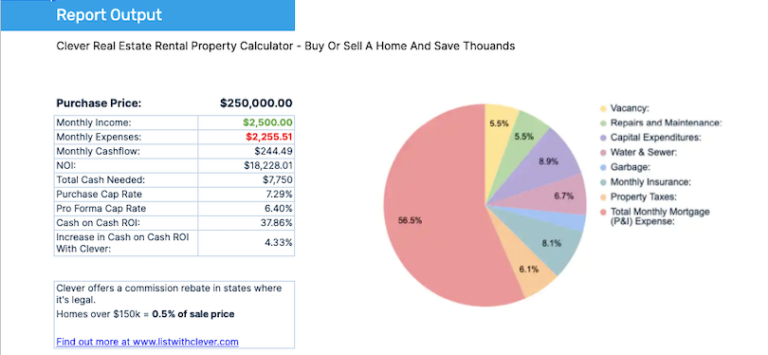
One of the key benefits is the low down payment required for a personal residence. You can use a first-time home buyer loan, such as an FHA loan, which allows for a down payment as low as 3.5%. This means you could get into a $250,000 property for a down payment of $8,750 (excluding closing costs). You could even have a 0% down payment requirement if you qualify for a VA loan.
This is much less than the 20% down payment typically required for investment properties, which would be $50,000 on a $250,000 home.
Pro tip: Use a buyer's agent!
Are you looking to invest in real estate via house hacking or buying a rental? Experts agree it's best to connect with a local realtor for more specific advice.
The benefits include:
- Local market knowledge
- Property marketing expertise
- Negotiation skills
- Access to exclusive listings
- Referrals to contractors and property managers
"A real estate agent's local market knowledge can significantly impact an investor's success by providing valuable insights into property values, trends, and potential risks" says Itay Simchi, Founder of Proven House Buyers.
» Connect with a top buyer's agent in your area through Clever Real Estate
2. Partner with other investors
Pros
- Increases your buying power
- Shares risk and responsibilities
- Learn from experienced pros
Cons
- Potential conflicts with partners
- Requires "sweat equity"
- Profit sharing
Best for: New real estate investors with limited funds willing to partner with experienced investors and contribute "sweat equity" to learn and mitigate risks.
With just $10,000, your real estate buying options are limited. However, partnering with several investors and pooling your money can increase your purchasing power significantly.
For example, if five investors each contribute $10,000, you collectively have $50,000 to invest in a larger property. This strategy lets you buy investment properties and share the risks and rewards.
The best way to mitigate risk is to partner with someone with more experience. While it may require some "sweat equity," partnering with seasoned investors is an excellent way to learn.
"I started with almost no money by partnering with a mentor real estate investor. He put up all the money, and I found and managed the flips," says Danny Johnson, real estate investor and host of the Flipping Junkie Podcast. "This was critical to my success. It eliminated almost all the risk, as I had only my time in the deals."
Bring as much value as possible to these partnerships, such as making calls, writing letters to source off-market deals, or managing social media. These tasks can provide valuable assistance to busy investors.
Attending local real estate investor association meetings or meet-ups is a great way to learn and connect. "Find out who the real players are in your market and learn their criteria for determining a good deal," advises Johnson. This knowledge will help you find quality deals and overcome initial fears of signing up for a property.
3. Wholesaling
Pros
- Very low capital requirement
- Fast returns
- No property ownership needed
Cons
- Requires strong networking
- Intensive deal analysis
- High competition
Best for: Investors skilled at networking and deal analysis who thrive in a fast-paced, sales-oriented environment.
Real estate wholesaling involves going under contract on a home, finding a buyer, and assigning the contract to them. You profit from the difference between the home's price and what the buyer pays, aiming to sell the house before your contract with the original homeowner closes.
Unlike traditional investing, wholesaling requires very low capital. For example, if you contract a home for $100,000 that will be worth $150,000 after repairs, you can find a buyer willing to pay $110,000, assign the contract to them, and make a $10,000 profit without ever owning the home.
This fast-paced segment of the real estate industry requires a solid network of investors to avoid bad deals and strong deal analysis skills to ensure profitability - especially when dealing with other investors looking to buy low and sell high.
Wholesaling can generate returns in weeks if you find and assign a deal quickly. That said, it can also take months to find your first deal. Most new wholesalers spend the first 60–90 days building their buyer list and marketing to motivated sellers before closing their first transaction.
4. Real estate investment trusts (REITs)
Pros
- Low entry cost
- Diversification
- High liquidity
Cons
- No direct property ownership
- Limited tax benefits
- Potentially lower returns
Best for: Investors seeking passive exposure to real estate with potential for dividends and capital appreciation, without property management responsibilities.
REITs are a massive asset class with an aggregate equity market capitalization of nearly $1 trillion. Historically, REITs have delivered positive returns, averaging 12% annually from 1990 to 2015.[2]
Investing in REITs is a great way to start small, allowing you to invest just a few dollars through a brokerage account. It's a smooth and hassle-free entry into real estate.
One significant advantage of REITs is the diversification they offer. Investing in a REIT gives you access to a broad portfolio of properties owned and managed by the trust, reducing the risk of investing in a single property.
REITs also offer liquidity, meaning you can sell your shares quickly if needed, unlike physical real estate, which can take longer to sell.
However, investing in REITs does have its downsides. You don't actually own any real estate; instead, you own shares in a REIT that gives you access to a diversified portfolio of properties. This generally results in less upside compared to owning actual property.
You also don't get the tax benefits of owning real estate, such as depreciation and writing off property repairs and improvements. The potential upside is limited compared to buying real estate directly, making REITs similar to owning stocks but with a real estate focus.
Real estate ETFs are a related option worth knowing about. These funds hold baskets of REIT shares and trade on stock exchanges, giving you broad exposure to the real estate sector — including commercial, residential, healthcare, and industrial properties — with no minimum beyond the price of a single share.
5. Real estate crowdfunding
Pros
- Low entry barriers
- Decent returns
- Diversification
Cons
- Unproven businesses
- Volatile stock prices
- Not registered with SEC
Best for: Investors seeking passive exposure to real estate with potential for dividends and capital appreciation but understand the risks of owning REITs that aren't registered with the Securities and Exchange Commission (SEC).
Real estate crowdfunding is a new investment vehicle accessible to public investors. These platforms pool investor money to participate in private real estate investment trusts (REITs), which aren't available elsewhere
It offers decent returns, typically between 8-12% annually. For example, the crowdfunding website Fundrise says its account holders have seen a return of 43.4% after holding investments for five years.[3]
The entry barriers are low, with account minimums starting at just $10 on Fundrise and up to $10,000 on YieldStreet. Besides Fundrise, other popular options include RealtyMogul, CrowdStreet, and Yieldstreet.
However, this investment type is relatively new and involves unproven businesses. It carries similar risks to REITs (stock prices can be highly volatile during economic downturns). It's difficult to evaluate because private REITs aren't registered with the SEC.
6. Fractional real estate investing
Pros
- True property ownership
- Starts at $100
- Passive income/appreciation potential
Cons
- Illiquid
- Platform risk
- Limited control over property
Best for: Passive investors who want exposure to actual rental properties without the landlord headaches.
Fractional real estate platforms like Arrived Homes, Realbricks, and Fundrise let you buy a partial stake in a specific rental property or a curated portfolio. Unlike REITs — which trade like stocks and respond to market sentiment — fractional ownership gives you a direct economic interest in the property itself. You get a share of the rental income and a cut of the appreciation when the property eventually sells.
The minimums are low: Arrived Homes starts at $100, and most platforms let you spread $10,000 across several properties to diversify. With that said, your money is typically locked up for five to seven years, and these platforms are still relatively young businesses, so their track records matter. Do your due diligence on any platform before committing — look for SEC-registered offerings and independent reviews.
Returns have historically ranged from 8%–12% annually on established platforms, though they vary by property and market conditions.
7. Private money lending
Pros
- Returns of 9%+ annually
- Passive once the loan is made
- Shorter timeline than long-term holds
Cons
- Risk if borrower defaults
- $10k may be too small for some deals
- Requires due diligence on borrowers
Best for: Investors with capital who want to learn how deals work while earning a return — without managing anything themselves.
Private money lending means loaning your capital directly to other real estate investors, typically flippers or landlords who need bridge financing. You earn interest (often 9%–12% annually) while the borrower does all the work. When the loan term ends — usually six months to two years — you get back your principal plus interest.
The downside: if the borrower defaults and the deal goes sideways, you could lose money. For that reason, $10,000 is on the smaller end for private lending, and you need to vet borrowers carefully. Start with investors in your local network who have a track record, not strangers online. Some platforms like Groundfloor let you lend as little as $10 to real estate projects, a lower-risk way to test the model before committing your full capital.
How to succeed in real estate
No matter which investment path you choose, focus on the long term. Real estate isn't a get-rich-quick scheme. You may start with average returns of 8-10% or even lower - but even that can add up to significant profits over time.
The key is to learn from your early mistakes and continually improve. Experts say you need to keep a positive mindset and stay persistent, and you'll find success in the long run.
"The most essential skill is mindset. Investing in real estate isn't rocket science! However, it's not an easy game, and don't expect to get rich quickly," says Christine Hsu, the investor from NY. "It takes persistence and determination. As long as you have those factors, you'll inevitably win in real estate."
About our experts
This guide was written and reviewed by Steve Nicastro, an active real estate investor specializing in buying single-family rental properties using the BRRRR method in North and South Carolina. Steve is also a former real estate agent (2019-22) based in Charleston, S.C.
We interviewed several experienced real estate professionals for our sources:
- Seamus Nally: CEO of TurboTenant and landlord of several residential properties in upstate New York and Colorado.
- Christine Hsu: Full-time real estate investor based in Westchester, NY, owning six units in NY and PA, as well as over 2,400 units in multifamily and commercial real estate across FL, AL, SC, NC, TX, AZ.
- Danny Johnson: Real estate investor and host of the Flipping Junkie Podcast. With over two decades of experience, Johnson has bought and sold nearly 1,000 houses in San Antonio, TX, specializing in house flipping, wholesaling, rehabbing, renting, and creating real estate notes.
- Itay Simchi: Founder of Proven House Buyers, a real estate investment company dedicated to helping homeowners quickly sell their houses.
Related reading


FAQ
Probably not on your own — at least not as a traditional investment property. Most lenders require 20–25% down for non-owner–occupied rentals, which for even a $200,000 property means $40,000–$50,000. Your best path to direct property ownership with $10k is house hacking, where owner-occupant financing programs like FHA loans allow down payments as low as 3.5%.Can I buy a rental property with $10,000?
What is the best way to invest $10k in real estate right now?
It depends on your goals. If you want to build long-term wealth and are willing to live with tenants, house hacking gives you the most leverage. If you want passive income with minimal involvement, REITs or fractional real estate platforms are the easiest entry points. If you're entrepreneurial and willing to hustle, wholesaling requires almost no capital.
Is $10,000 enough to start investing in real estate?
Yes, but your options depend on which strategy you choose. $10,000 is more than enough to open a REIT account, start on a crowdfunding or fractional ownership platform, or use as a down payment contribution if you're house hacking. It's tight — but not impossible — as a seed investment in a partnership. It's generally not enough for a conventional investment property down payment on its own.
How long does it take to see returns on a $10k real estate investment?
REITs and crowdfunding platforms typically pay quarterly dividends, so you could see some return within 90 days. Wholesaling can generate returns in weeks if you find and assign a deal. House hacking returns come monthly once you have tenants. Private money lending earns monthly interest. Fractional real estate typically has the longest horizon — expect five to seven years before full returns are realized.